The Best Age for a Smile Makeover: Is There Really a Perfect Time?
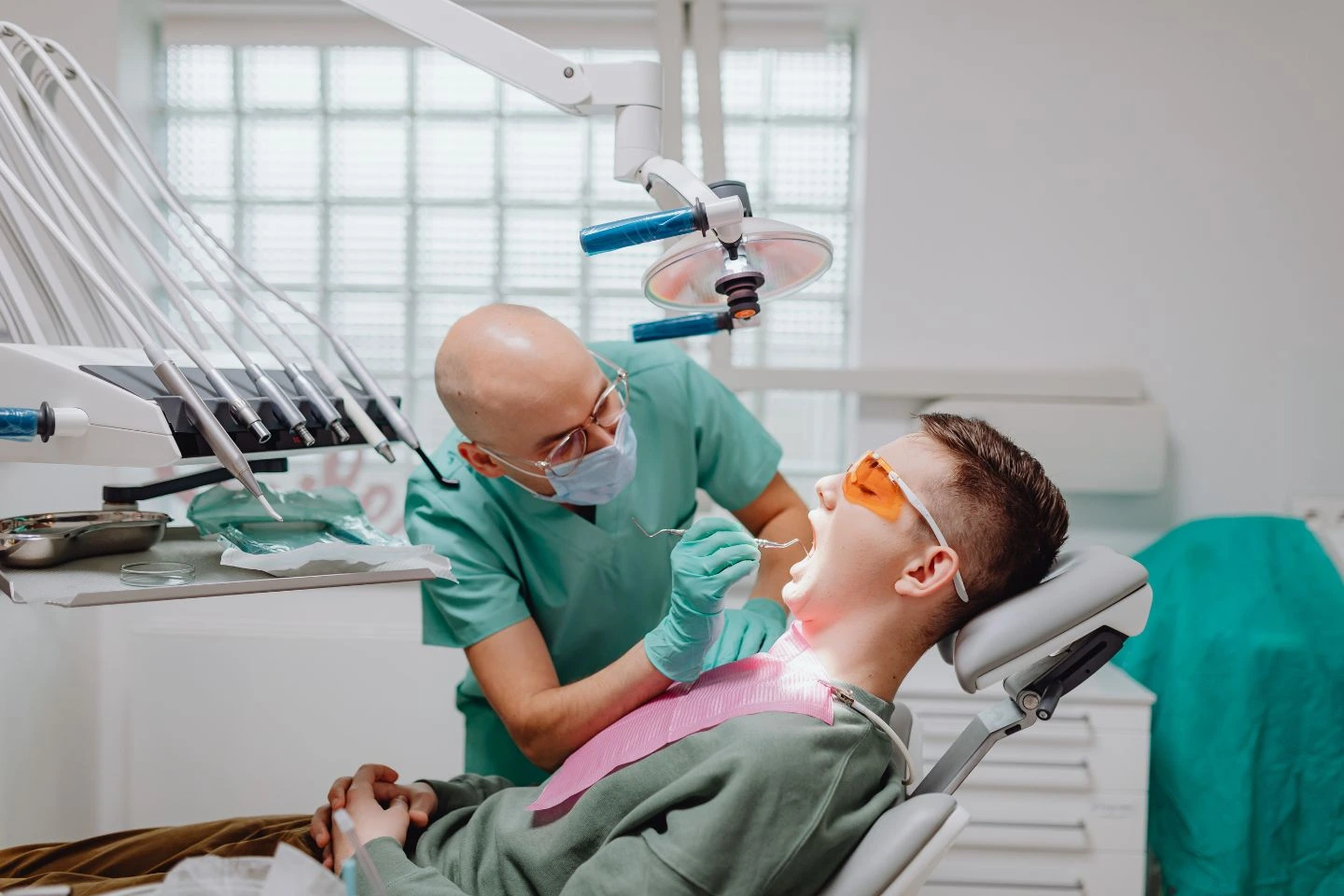
Have you ever wondered whether there is a perfect age to improve your smile? Many people assume that cosmetic dental treatments are mainly for younger adults or that they should wait until a certain age before considering a smile makeover.
The truth is that there is no universal age that works for everyone. A smile makeover is a personalised combination of cosmetic and restorative dental treatments designed around your teeth, gums, bite, oral health, and aesthetic goals.
Some people may consider treatment in their 20s, while others may wait until their 30s, 40s, 50s, or later. What matters most is whether your teeth and gums are healthy enough for the proposed treatment and whether the procedures are appropriate for your individual needs.
At Buford Dental, we can evaluate your smile and discuss which cosmetic or restorative options may be suitable for you.
What Is a Smile Makeover?
A smile makeover is not one specific dental procedure. Instead, it can involve one or several treatments designed to address different concerns affecting the appearance or function of your smile.
Depending on your needs, a smile makeover may include:
- Professional teeth whitening
- Dental bonding
- Dental veneers
- Clear aligners
- Dental crowns
- Dental bridges
- Dental implants
- Other cosmetic or restorative treatments
The combination of treatments depends on the condition of your teeth and gums, your bite, and the changes you want to make.
Is There a Perfect Age for a Smile Makeover?
No. There is no single age when everyone should have a smile makeover.
Instead, your dentist will consider whether your teeth and gums are healthy, whether your dental development is complete, and whether the proposed treatment is appropriate for your circumstances.
For adults, age alone is generally not the deciding factor. A healthy 25-year-old and a healthy 55-year-old may both be candidates for certain cosmetic treatments, although their dental needs may be very different.
What Should Be Considered Before a Smile Makeover?
Before beginning cosmetic treatment, your dentist will usually assess several aspects of your oral health.
Your Teeth and Gums
Healthy teeth and gums provide an important foundation for cosmetic dental treatment.
If you have untreated cavities, gum disease, infection, or other oral health concerns, these may need to be addressed before elective cosmetic treatment begins.
Your Bite
The way your upper and lower teeth fit together can influence which cosmetic treatments are appropriate.
If you have significant bite or alignment concerns, orthodontic treatment may be considered before or instead of certain cosmetic procedures.
Your Dental Development
For younger patients, the development of the teeth and jaws is an important consideration.
Some cosmetic procedures are generally better suited to adults whose permanent teeth and dental structures have fully developed.
Your Treatment Goals
A smile makeover should be based on what you want to change about your smile.
You may be concerned about:
- Tooth discolouration
- Chipped teeth
- Uneven tooth shapes
- Gaps between teeth
- Crowding
- Worn teeth
- Missing teeth
- Several concerns at the same time
Understanding your goals helps your dentist determine which treatments may be appropriate.
Smile Makeovers in Your 20s
For many adults in their 20s, dental development is complete, making this an age when some people begin considering cosmetic dental treatment.
Common concerns may include tooth discolouration, minor chips, uneven tooth shapes, or spacing.
Depending on the condition of your teeth, options such as professional teeth whitening, dental bonding, veneers, or clear aligners may be discussed.
However, cosmetic treatment should not be based on age alone. Your dentist will first assess the health and condition of your teeth.
Smile Makeovers in Your 30s
People in their 30s may begin noticing changes related to previous dental work, tooth wear, discolouration, or changes in alignment.
This may be a suitable time to address cosmetic concerns alongside routine dental care.
For example, dental bonding can repair certain minor chips, while clear aligners may be considered for some alignment concerns.
If you have existing fillings or restorations, your dentist can also assess whether they need to be replaced or incorporated into your treatment plan.
Smile Makeovers in Your 40s
By your 40s, you may have accumulated years of dental wear, restorations, or other changes.
Some patients may want to improve the appearance of their smile while also addressing functional concerns.
Depending on your needs, treatment may involve veneers, bonding, crowns, orthodontic treatment, or tooth replacement.
A comprehensive dental examination is especially useful when several concerns are present because cosmetic treatment may need to be coordinated with restorative care.
Smile Makeovers in Your 50s and Beyond
There is no age limit that automatically prevents someone from considering cosmetic dental treatment.
Adults in their 50s, 60s, and beyond may choose to improve the appearance of their smile or address dental concerns that have developed over time.
At this stage, however, your dentist may pay particular attention to gum health, tooth wear, existing restorations, bone levels, and missing teeth.
Treatment may involve a combination of cosmetic and restorative procedures depending on the condition of your mouth.
Does Your Age Affect the Type of Treatment You Need?
It can, but age is only one consideration.
Two people of the same age can have very different dental needs. One may have healthy teeth with minor cosmetic concerns, while another may have extensive restorations, gum problems, tooth wear, or missing teeth.
For example, a patient with significant tooth damage may benefit from dental crowns rather than a purely cosmetic treatment.
Similarly, someone with missing teeth may need to consider dental implants or bridges as part of a broader smile restoration.
Can Teenagers Have a Smile Makeover?
Cosmetic dental treatment for teenagers requires careful consideration because the teeth and jaws may still be developing.
Some treatments may be appropriate in younger patients when there is a specific dental need, but a full smile makeover is not automatically suitable simply because a teenager wants to change the appearance of their smile.
If alignment is the primary concern, orthodontic treatment may be more appropriate.
A dentist can assess the child's dental development and recommend treatment based on their oral health and individual needs.
Should You Whiten Your Teeth Before Other Cosmetic Treatment?
Not necessarily.
The sequence of cosmetic treatments matters because the colour of natural teeth can influence the shade selected for certain restorations.
For example, if veneers, crowns, or other tooth-coloured restorations are planned, your dentist may discuss whitening before the final shade is selected.
This is one reason why a comprehensive treatment plan is useful rather than choosing individual cosmetic procedures separately.
Can a Smile Makeover Improve More Than Appearance?
Yes, depending on the treatments involved.
Some procedures are primarily cosmetic, while others can restore damaged or missing teeth and improve function.
For example:
- Bonding can restore the shape of certain chipped teeth.
- Crowns can restore damaged or weakened teeth.
- Clear aligners can improve the alignment of suitable teeth.
- Bridges can replace missing teeth.
- Dental implants can replace missing teeth with an implant-supported restoration.
The purpose and benefits of each treatment depend on the patient's individual dental condition.
What If You Have Existing Dental Problems?
Existing oral health problems should generally be addressed before elective cosmetic treatment.
If you have:
- Tooth decay
- Gum disease
- Dental infections
- Damaged teeth
- Significant tooth wear
- Poor oral hygiene
your dentist may recommend treating these concerns first.
A healthy foundation can help support the outcome and maintenance of subsequent cosmetic treatment.
How Long Does a Smile Makeover Take?
There is no standard timeline because every smile makeover is different.
A simple treatment involving professional whitening or bonding may require relatively few appointments. More complex treatment involving orthodontics, crowns, implants, or multiple restorations can take considerably longer.
Your dentist can explain the expected sequence and timeline after examining your teeth and discussing your treatment goals.
Is a Smile Makeover Worth Waiting For?
Rather than waiting for a particular age, it may be more useful to consider whether you are ready for the treatment and whether your oral health supports it.
You should have realistic expectations about the results, understand the maintenance involved, and be prepared to follow your dentist's recommendations.
Cosmetic dentistry is not simply about reaching a certain age. It is about choosing appropriate treatment for your current dental condition and goals.
How Can You Maintain Your Smile Makeover?
Regardless of your age, maintaining your oral health is important after cosmetic treatment.
You should:
- Brush twice daily with fluoride toothpaste
- Clean between your teeth every day
- Attend regular dental examinations
- Follow professional cleaning recommendations
- Avoid using your teeth to open packages or bite hard objects
- Follow specific care instructions for your restorations
- Address dental problems promptly
Good oral hygiene helps protect your natural teeth and dental restorations.
So, What Is the Best Age for a Smile Makeover?
There is no perfect age for a smile makeover.
The right time depends on your dental development, oral health, treatment goals, existing restorations, bite, and the type of cosmetic treatment you are considering.
For some adults, treatment may be appropriate in their 20s or 30s. Others may decide to improve their smiles later in life. What matters is having a healthy foundation and choosing treatments that are appropriate for your individual needs.
At Buford Dental, we can evaluate your teeth and gums, discuss your smile concerns, and explain which cosmetic and restorative options may be suitable for you.
FAQs About the Best Age for a Smile Makeover
Q: What is the best age for a smile makeover?
A: There is no universal best age. Treatment depends on your oral health, dental development, bite, treatment goals, and the procedures being considered.
Q: Can you get a smile makeover in your 20s?
A: Yes. Adults in their 20s may consider cosmetic treatment if their permanent teeth have developed and their teeth and gums are healthy enough for the proposed procedures.
Q: Is it too late to have a smile makeover after 50?
A: No. Age alone does not prevent adults from considering cosmetic dental treatment. Your dentist will assess your teeth, gums, bite, existing restorations, and overall oral health.
Q: Can teenagers have cosmetic dental treatment?
A: Some cosmetic or orthodontic treatments may be appropriate for teenagers, but treatment should take dental development into account. A dentist can determine which options are suitable.
Q: Do I need healthy teeth before a smile makeover?
A: A healthy oral foundation is important. Cavities, gum disease, infections, or other dental problems may need to be addressed before elective cosmetic treatment.
Q: Can a smile makeover include dental implants?
A: It can, depending on your treatment needs. Dental implants may be considered when missing teeth need to be replaced as part of a broader smile restoration.
Q: How long does a smile makeover take?
A: The timeline varies depending on the number and type of treatments involved. Simple cosmetic procedures may require fewer appointments, while comprehensive treatment can take longer.
Q: Does a smile makeover improve oral health?
A: Some treatments can also restore damaged teeth, improve alignment, replace missing teeth, or improve function. However, the oral health benefits depend on the specific procedures involved.
Q: Should I whiten my teeth before getting veneers or crowns?
A: Your dentist may recommend whitening before selecting the final shade of certain restorations. The sequence depends on your treatment plan.
Q: How do I know if I am ready for a smile makeover?
A: A dental examination can help determine whether your teeth and gums are healthy enough for treatment and which options may be appropriate for your goals.

Comprehensive Dentistry in Mokena
At Dental DeZigns, we deliver exceptional care—from preventive visits to smile makeovers—all under one roof. With in-office treatments such as cleanings, extractions, and implants, we reduce referrals and save you time. Discover the value of complete dental care and start your journey to a confident smile.
Proud Partners in Trusted Dental Care
Affiliations with renowned dental organizations showcase our passion for excellence and ongoing learning. They enable us to bring advanced techniques, knowledge and the very best standards of care to our patients.
Our Locations
Mokena & Shorewood
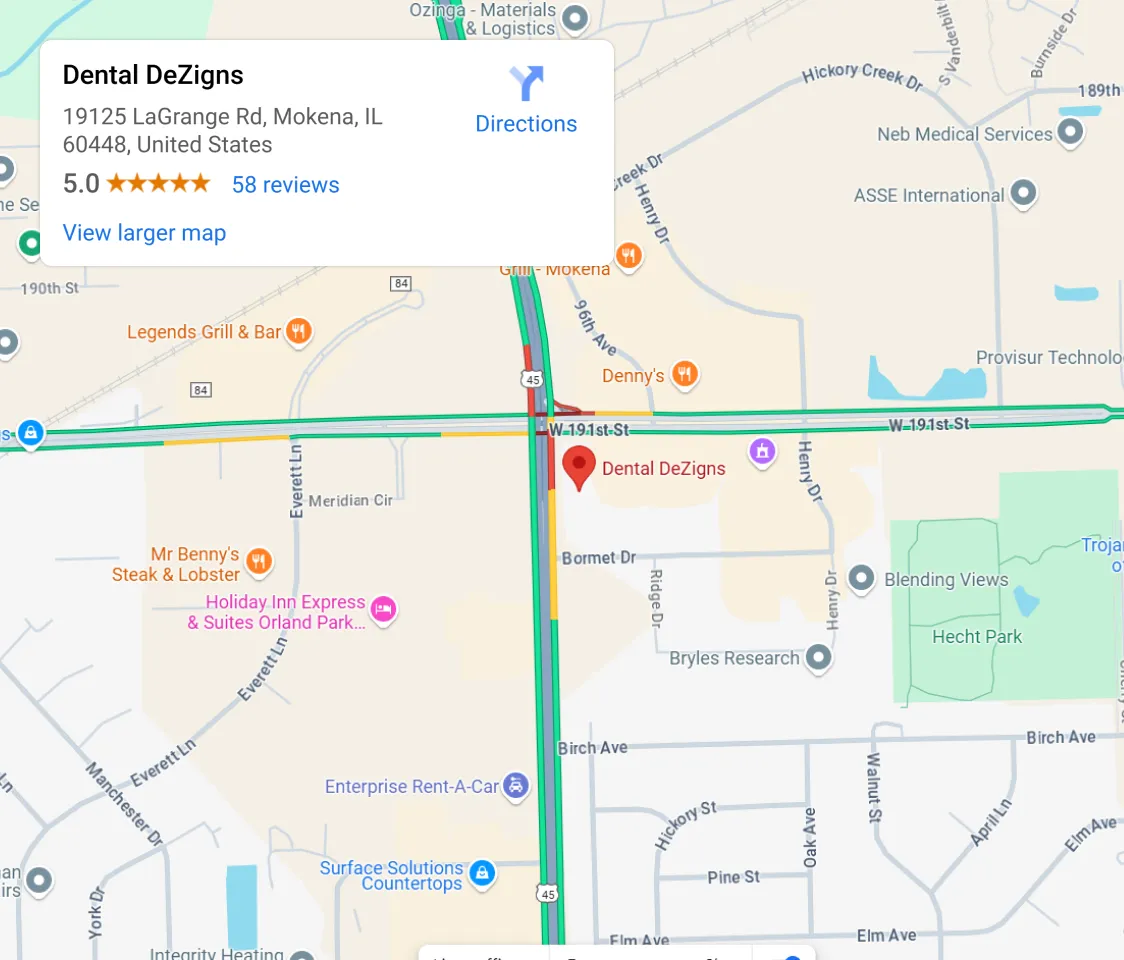
Mokena, IL
19125 La Grange Rd, Mokena, IL 60448
Call: (708) 479-2273
Hours:
Mon & Wed: 8 a.m. – 5 p.m.
Tue & Thu: 11 a.m. – 7 p.m.
Fri–Sun: Closed
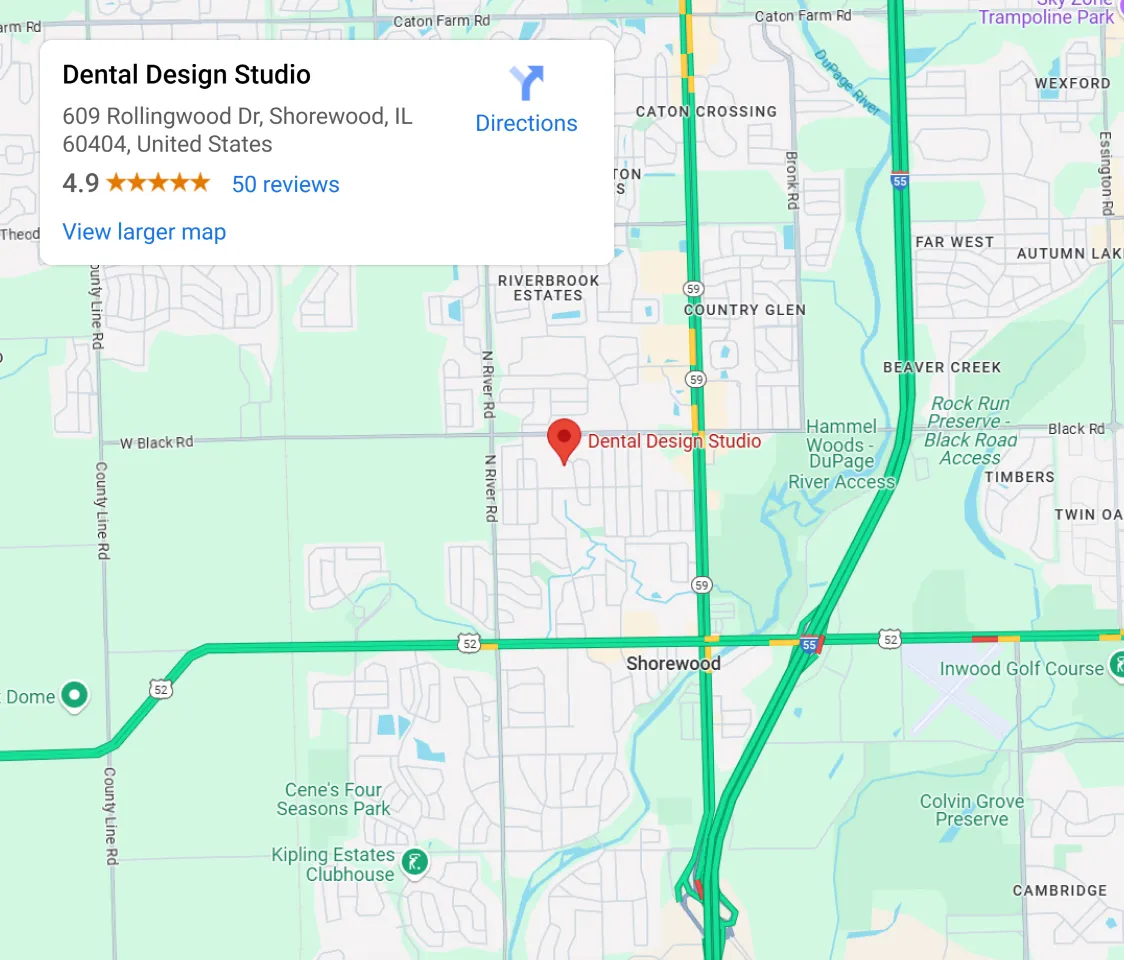
Shorewood, IL
609 Rollingwood Dr, Shorewood, IL 60404
Call: (815) 725-8170
Hours:
Mon & Wed: 12 p.m. – 7 p.m.
Tue & Thu: 8:30 a.m. – 3 p.m.
Fri–Sun: Closed

At Dental DeZigns, we deliver a dental experience that’s comfortable, consistent, and focused entirely on you. Your smile is our priority—every visit, every time.


© 2026 Dental DeZigns | All Rights Reserved | Privacy Policy | Digital Marketing by Remedo