Who Benefits From Fluoride Treatment as an Adult?
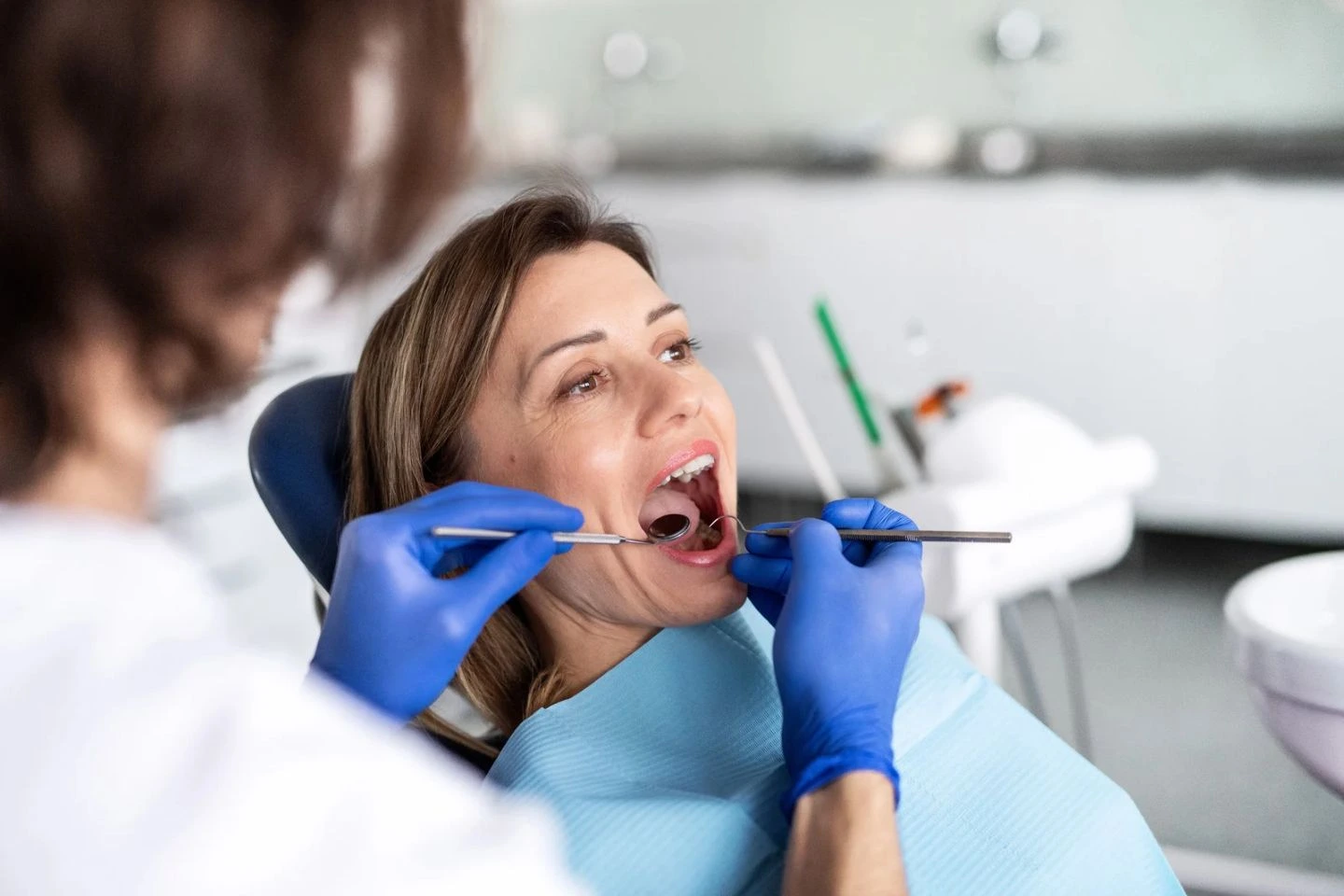
Fluoride treatment is often associated with childhood dental care, but adults can benefit from fluoride, too. Even with regular brushing and flossing, certain factors can increase the risk of cavities, enamel wear, and tooth sensitivity. Professional fluoride treatment can provide an extra layer of protection when your everyday oral hygiene routine is not quite enough.
At Dental DeZigns, a dental clinic in Mokena, fluoride treatments may be recommended based on your individual oral health needs and risk factors. Understanding who may benefit from fluoride can help you make informed decisions about preventive dental care.
What Is Fluoride Treatment?
Fluoride is a naturally occurring mineral that helps strengthen tooth enamel. Enamel is the hard outer layer of your teeth, and it is constantly exposed to acids produced by bacteria in your mouth and found in certain foods and drinks.
A professional fluoride treatment delivers a concentrated amount of fluoride to the teeth. Depending on your needs, your dentist may use fluoride varnish, gel, foam, or another professional fluoride product.
Unlike the small amount of fluoride found in everyday toothpaste, a professional treatment provides a higher concentration for targeted preventive care.
How Does Fluoride Help Adult Teeth?
Every day, your teeth go through a process called demineralization. Acids can pull minerals from the enamel, weakening it over time. Your saliva and fluoride help support remineralization, which restores some of those minerals.
Fluoride can:
- Strengthen weakened tooth enamel
- Help prevent cavities
- Support enamel remineralization
- Reduce the risk of tooth decay
- Help protect areas that are difficult to clean
- Reduce tooth sensitivity in some patients
Fluoride does not replace brushing, flossing, or regular dental visits. Instead, it can complement your daily oral hygiene routine.
Who Benefits From Fluoride Treatment as an Adult?
Not every adult necessarily needs professional fluoride treatment. Your dentist may recommend it if you have specific risk factors that make you more susceptible to tooth decay or enamel problems.
Adults With a History of Cavities
If you frequently develop cavities, you may benefit from additional fluoride protection. A history of repeated tooth decay can indicate that your teeth may need more preventive support.
Even after a cavity has been treated with a filling, the rest of your teeth can still be vulnerable to new areas of decay. Regular fluoride treatment may be part of a broader cavity prevention plan.
People With Dry Mouth
Dry mouth, also known as xerostomia, can increase the risk of cavities. Saliva naturally helps wash away food particles and neutralize acids in the mouth. It also contributes to the remineralization of enamel.
Certain medications, medical conditions, dehydration, and other factors can contribute to dry mouth.
If your mouth frequently feels dry or you have difficulty producing saliva, talk with your dentist about ways to protect your teeth. Fluoride treatment may be one option.
Adults With Sensitive Teeth
Tooth sensitivity can occur when enamel becomes worn or when the protective gum tissue around the teeth recedes and exposes the tooth root.
Fluoride can help strengthen tooth surfaces and may reduce sensitivity for some patients. However, sensitivity can have several causes, including cavities, gum disease, worn enamel, cracked teeth, and aggressive brushing.
If your teeth have suddenly become sensitive, a dental examination is important before assuming fluoride is the solution.
Patients With Gum Recession
As gums recede, portions of the tooth root can become exposed. Unlike the crown of the tooth, the root does not have the same protective layer of enamel.
Exposed root surfaces can be more vulnerable to decay and sensitivity. Your dentist may recommend fluoride treatment as part of a preventive strategy, particularly if you have gum recession combined with other cavity risk factors.
People With Braces or Other Orthodontic Appliances
Braces, retainers, and other orthodontic appliances can create areas where plaque and food particles are harder to remove.
For patients undergoing orthodontic treatment, maintaining good oral hygiene is especially important. Fluoride can help strengthen areas that may be more vulnerable to decay while you are wearing braces.
Adults With Frequent Acid Exposure
Frequent exposure to acidic foods and beverages can contribute to enamel erosion. Soda, sports drinks, energy drinks, citrus products, and certain other foods and drinks can expose teeth to acids.
Fluoride does not prevent all forms of enamel erosion, but strengthening the enamel can be an important part of protecting your teeth.
Your dentist may also recommend changes to your eating and drinking habits to reduce acid exposure.
People With Certain Dietary or Oral Hygiene Habits
Your daily habits can influence your risk of tooth decay. Frequent snacking, sugary beverages, inconsistent brushing, and inadequate flossing can increase exposure to cavity-causing bacteria and acids.
If you are working on improving your oral hygiene routine but have a higher-than-average risk of cavities, professional fluoride treatment may provide additional protection.
How Often Should Adults Get Fluoride Treatment?
There is no single schedule that works for every adult.
Some people may benefit from fluoride treatment during routine dental cleanings, while others with a higher risk of tooth decay may need more frequent preventive care. Your dentist can consider factors such as:
- Your history of cavities
- Current oral hygiene habits
- Gum recession
- Dry mouth
- Tooth sensitivity
- Diet
- Existing dental restorations
- Orthodontic treatment
- Certain medications
- Overall risk of tooth decay
A dental professional can determine whether professional fluoride treatment makes sense for your situation.
Is Fluoride Treatment Safe for Adults?
Professional fluoride treatments are generally considered safe when used as directed by a dental professional.
The amount and type of fluoride used are selected based on the patient's needs. Your dentist can also explain what to expect after treatment and whether you need to temporarily avoid certain foods or drinks.
It is important to follow your dentist's instructions rather than using concentrated fluoride products on your own.
Fluoride Treatment vs. Fluoride Toothpaste
These two forms of fluoride serve different purposes.
Fluoride toothpaste: Used regularly at home to help remove plaque and provide ongoing fluoride exposure.
Professional fluoride treatment: Applied by a dental professional and contains a higher concentration of fluoride for targeted preventive care.
For most adults, brushing twice a day with fluoride toothpaste is an important foundation of oral hygiene. Professional treatment can provide additional support when your dentist identifies an increased risk of tooth decay.
Can Fluoride Reverse a Cavity?
Fluoride cannot repair a large cavity or replace a filling. However, early tooth decay can sometimes be managed or remineralized before a permanent cavity forms.
This is one reason regular dental examinations matter. Your dentist can identify early signs of enamel changes and recommend preventive measures before the problem becomes more extensive.
Once a cavity has progressed into a hole in the tooth, restorative dental treatment may be necessary.
How Can You Reduce Your Risk of Cavities?
Fluoride treatment is only one part of maintaining healthy teeth. You can also reduce your risk of tooth decay by:
- Brushing twice daily with fluoride toothpaste
- Cleaning between your teeth every day
- Limiting frequent sugary snacks and drinks
- Drinking water throughout the day
- Avoiding prolonged exposure to acidic beverages
- Keeping regular dental appointments
- Addressing dry mouth
- Replacing your toothbrush or brush head regularly
- Following your dentist's recommendations for preventive care
Small habits performed consistently can make a meaningful difference to your oral health.
When Should You Ask Your Dentist About Fluoride?
Consider discussing fluoride treatment with your dentist if you have frequent cavities, sensitive teeth, exposed tooth roots, dry mouth, gum recession, braces, or other factors that may increase your risk of tooth decay.
A dentist can evaluate your teeth and gums and determine whether professional fluoride treatment should be included in your preventive dental care plan.
At Dental DeZigns, your preventive care can be tailored to your individual oral health needs. If you are looking for a dental clinic in Mokena, discussing your cavity risk and fluoride options during your next appointment can help you understand what makes sense for your smile.
Schedule Your Preventive Dental Visit
Fluoride treatment can be a useful part of cavity prevention for adults who have specific risk factors. If you are concerned about cavities, sensitivity, dry mouth, or enamel health, talk with your dentist about whether fluoride treatment could benefit you.
Contact Dental DeZigns to schedule an appointment and discuss your preventive dental care needs with a dental team in Mokena.
Frequently Asked Questions About Adult Fluoride Treatment
Q. Do adults really need fluoride treatment?
Some adults benefit from professional fluoride treatment, particularly those with a higher risk of cavities, dry mouth, gum recession, sensitive teeth, or frequent tooth decay. Your dentist can determine whether you need it.
Q. How long does a fluoride treatment take?
Professional fluoride treatment is generally a quick procedure and can often be completed during a routine dental appointment. The exact process depends on the type of fluoride treatment used.
Q. Can fluoride help sensitive teeth?
Fluoride may help reduce tooth sensitivity by strengthening tooth surfaces. However, persistent or sudden sensitivity should be evaluated because it can also be caused by cavities, gum recession, cracked teeth, or enamel wear.
Q. Can I get fluoride treatment if I have dental fillings or crowns?
In most cases, fluoride treatment can be used as part of preventive dental care for patients with fillings, crowns, and other restorations. Your dentist can recommend the appropriate approach based on your oral health.
Q. How often should I receive fluoride treatment?
The recommended frequency depends on your cavity risk and overall oral health. Some adults may benefit from treatment during routine visits, while others may need it more frequently.
Q. Is fluoride only important for children?
No. Fluoride benefits teeth throughout life. Adults can also experience tooth decay, enamel weakening, gum recession, and sensitivity, making fluoride an important part of preventive dental care for some patients.
Q. Can I rely only on fluoride treatment to prevent cavities?
No. Professional fluoride treatment works best alongside good oral hygiene and regular dental care. Brushing with fluoride toothpaste, flossing, limiting sugary foods and drinks, and attending routine dental visits remain important.
Q. Where can I get fluoride treatment in Mokena?
If you are looking for preventive dental care, Dental DeZigns provides dental services for patients in the Mokena area. Your dentist can evaluate your oral health and determine whether professional fluoride treatment is appropriate for you.

Comprehensive Dentistry in Mokena
At Dental DeZigns, we deliver exceptional care—from preventive visits to smile makeovers—all under one roof. With in-office treatments such as cleanings, extractions, and implants, we reduce referrals and save you time. Discover the value of complete dental care and start your journey to a confident smile.
Proud Partners in Trusted Dental Care
Affiliations with renowned dental organizations showcase our passion for excellence and ongoing learning. They enable us to bring advanced techniques, knowledge and the very best standards of care to our patients.

Our Locations
Mokena & Shorewood
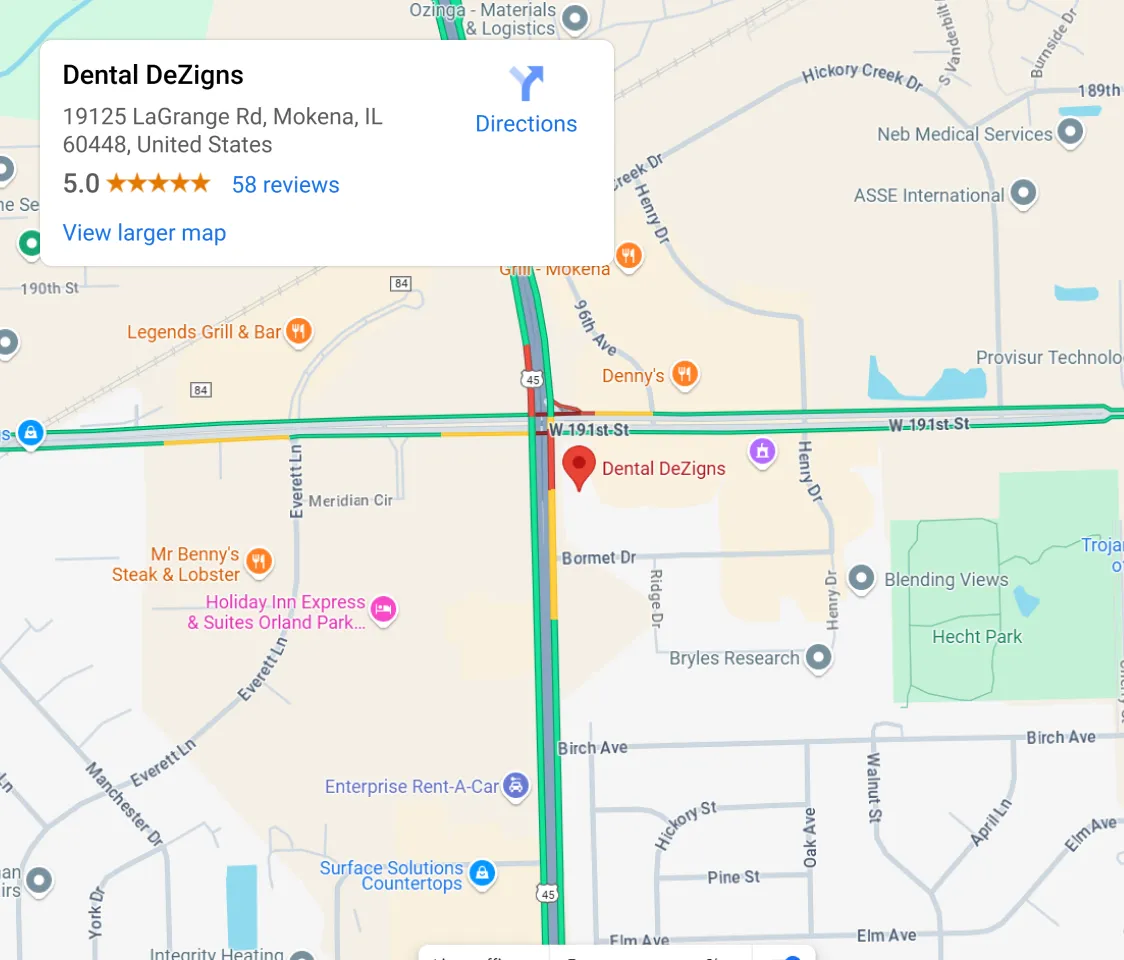
Mokena, IL
19125 La Grange Rd, Mokena, IL 60448
Call: (708) 479-2273
Hours:
Mon & Wed: 8 a.m. – 5 p.m.
Tue & Thu: 11 a.m. – 7 p.m.
Fri–Sun: Closed
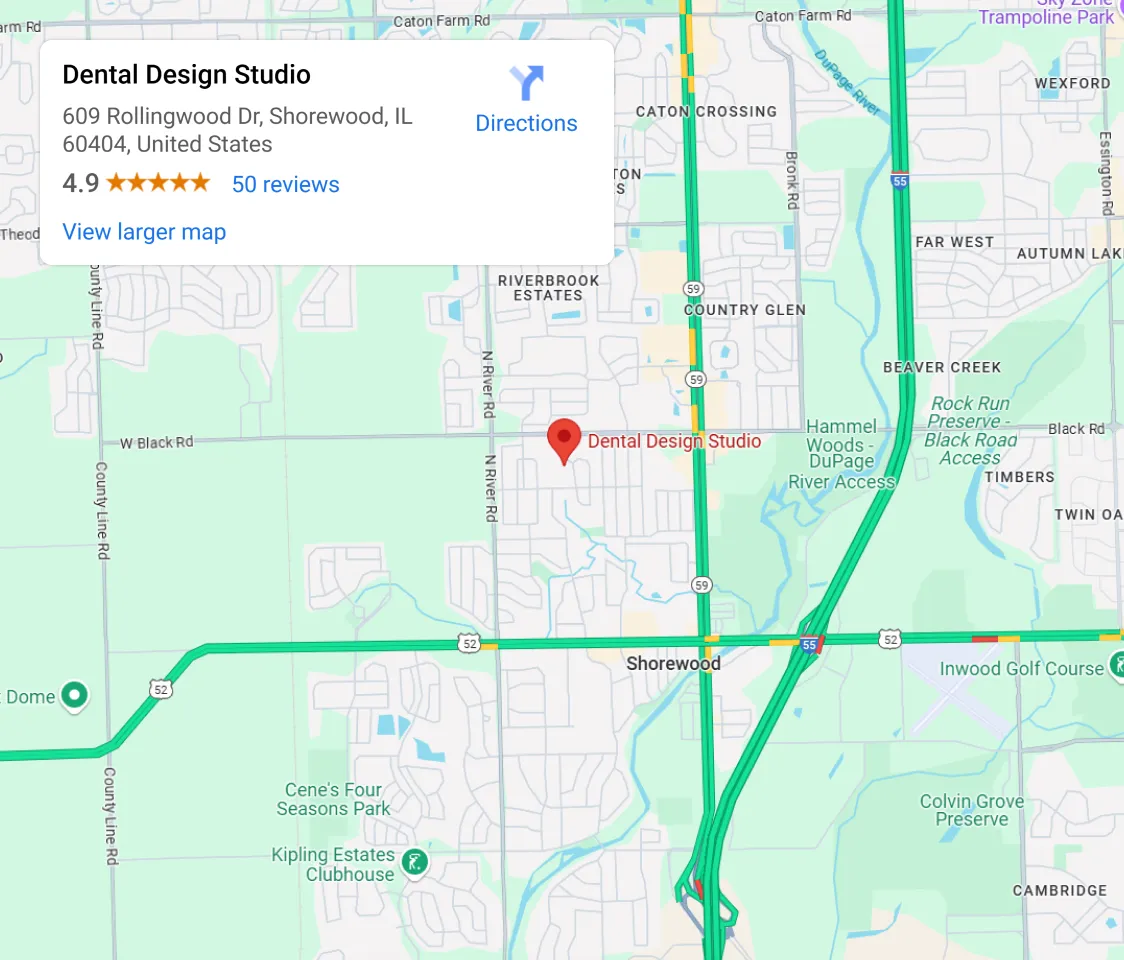
Shorewood, IL
609 Rollingwood Dr, Shorewood, IL 60404
Call: (815) 725-8170
Hours:
Mon & Wed: 12 p.m. – 7 p.m.
Tue & Thu: 8:30 a.m. – 3 p.m.
Fri–Sun: Closed

At Dental DeZigns, we deliver a dental experience that’s comfortable, consistent, and focused entirely on you. Your smile is our priority—every visit, every time.


© 2026 Dental DeZigns | All Rights Reserved | Privacy Policy | Digital Marketing by Remedo